
pedestrian accident Claims
When you are hit by a vehicle, the law is on your side.
Pedestrians are the most vulnerable people on Ontario’s roadways. When a vehicle strikes a person walking, running, or crossing the street, the resulting injuries are rarely minor. Fractured pelvises, shattered femurs, traumatic brain injuries, and severe spinal cord damage are tragically common.
The physical recovery from a pedestrian accident can take years, and the financial burden of lost wages and medical care can ruin a family. However, Ontario law recognizes the inherent imbalance between a vehicle and a pedestrian. Under the Highway Traffic Act, a unique legal mechanism called the “reverse onus” shifts the burden of proof off your shoulders and onto the driver who hit you.
Cook Reynolds LLP has represented injured pedestrians across Hamilton, Burlington, St. Catharines, Niagara, and the Golden Horseshoe for over 40 years. We know how to leverage Ontario’s specific pedestrian protection laws to hold drivers accountable and secure the maximum possible compensation for your injuries.
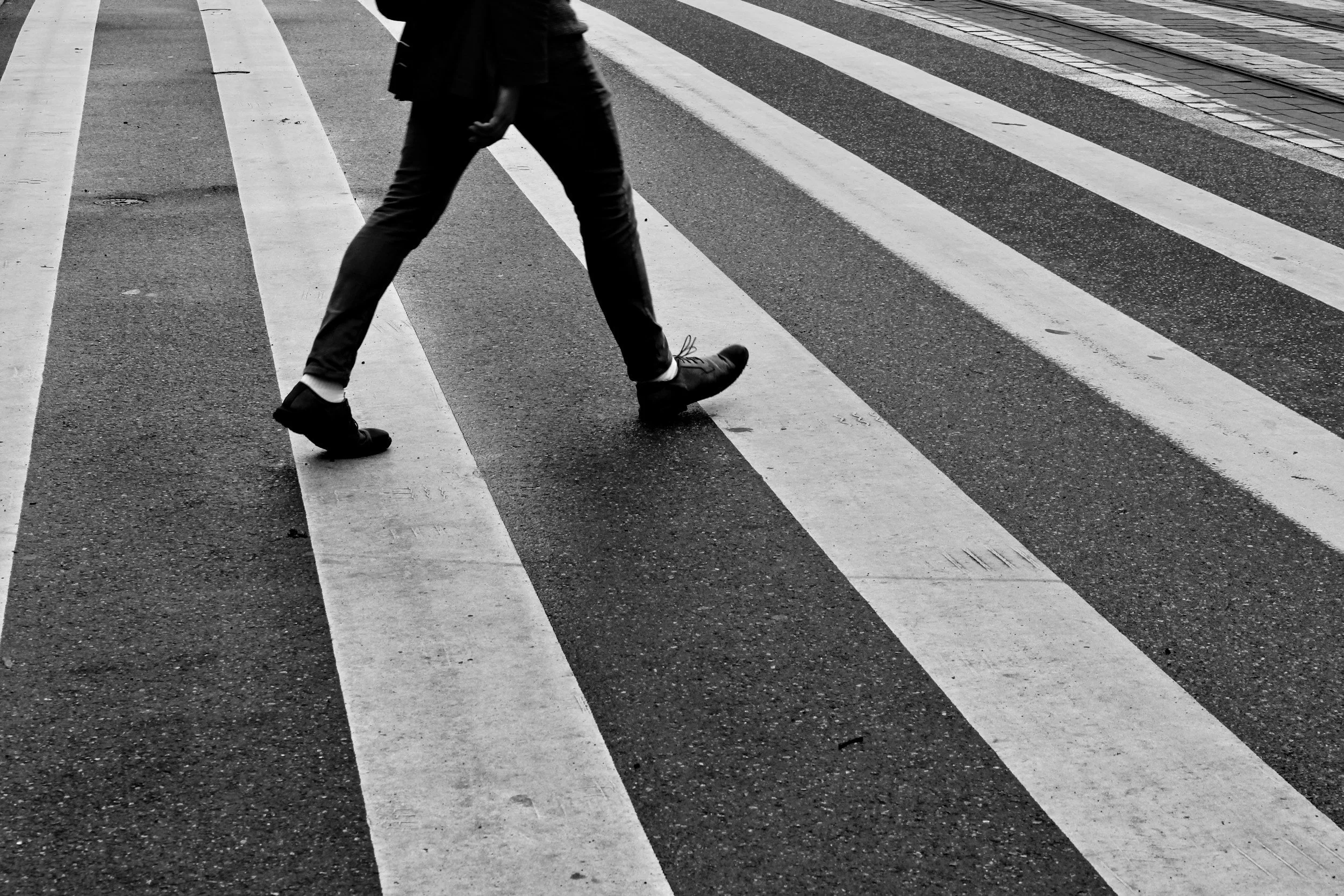
Key facts about pedestrian accidents in Ontario
- The “reverse onus” means the driver is presumed to be at fault
- You are entitled to Statutory Accident Benefits even if you don’t own a car
- Hit-and-run victims can still recover compensation through the Motor Vehicle Accident Claims Fund
- You can claim damages for pain, suffering, lost income, and future care
- You have a strict two-year limitation period to file a lawsuit
- We advance all costs for medical reports and experts – you pay nothing upfront
The “Reverse Onus” Advantage
In a standard personal injury lawsuit, the injured person (the plaintiff) must prove that the other party was negligent. Pedestrian accidents are the exception.
Under Section 193(1) of the Highway Traffic Act, when a pedestrian or cyclist is struck by a motor vehicle on a public roadway, the law presumes the driver was negligent. This is known as the “reverse onus.” The burden of proof shifts to the driver, who must prove to the court that they acted reasonably and did not cause the accident.
Drivers and their insurance companies will often try to overcome this burden by blaming the pedestrian — arguing that you jaywalked, crossed against the light, or were distracted by your phone. Even if you made a mistake, the driver still bears the primary responsibility to avoid hitting you. If a court finds you partially at fault (contributory negligence), you are still entitled to compensation, though your damages may be reduced by your percentage of fault.
Compensation for Injured Pedestrians
Like all motor vehicle accidents in Ontario, pedestrian claims involve a dual system of compensation: Statutory Accident Benefits (SABS) and a tort claim against the at-fault driver.
1. Statutory Accident Benefits (No-Fault Benefits)
Even if you do not own a vehicle or hold an auto insurance policy, you are entitled to Accident Benefits. These are paid by the insurance company of the driver who hit you. If that driver is uninsured or flees the scene (a hit-and-run), you can claim benefits through the Ontario Motor Vehicle Accident Claims Fund.
These benefits provide immediate financial support while you recover, including:
- Income Replacement Benefits if you cannot return to work
- Medical and Rehabilitation Benefits for treatments not covered by OHIP (physiotherapy, occupational therapy, psychological counseling)
- Attendant Care Benefits to hire someone to help you with daily personal care tasks
2. Tort Claims (Suing the Driver)
Accident Benefits are strictly capped and often insufficient for severe injuries. To recover your full losses, you must file a tort claim against the at-fault driver. Through this lawsuit, we can help you recover:
- Pain and suffering (general damages)
- Past and future loss of income that exceeds your Accident Benefits
- Future care costs for long-term medical needs, home modifications, and mobility aids
- Loss of housekeeping capacity
- Out-of-pocket expenses
What to do after a pedestrian accident
If you or a loved one has been struck by a vehicle, your health is the only priority.
- Call 911. Call 911 and request an ambulance. Do not attempt to walk away from the scene. The shock and adrenaline of being hit can mask catastrophic internal injuries.
- Wait for the police. A police report is a critical piece of evidence in a pedestrian knockdown case. Ensure your version of events is recorded by the responding officer.
- Get the driver’s information. If you are physically able, get the driver’s name, license plate number, and insurance details. If you cannot, ask a bystander to do it for you.
- Collect witness information. Independent witnesses are crucial if the driver attempts to claim you darted out into traffic.
- Do not speak to the driver’s insurance company. They will call you. Decline to give a statement and tell them to speak to your lawyer.
- Call Cook Reynolds LLP. We will handle all communications with the insurers, initiate your Accident Benefits claim, and begin building the case against the driver.
Were you hit by a car?
Let us help you secure accident benefits and tort compensation.
Cook Reynolds LLP represents pedestrians injured in crosswalks, parking lots, and roadways across Hamilton, Burlington, St. Catharines, Niagara, Brantford, and the surrounding Golden Horseshoe region. Our initial consultation is free, and there are no legal fees unless we win your case.
Evidence disappears quickly, and strict limitation periods apply. Contact us today to protect your rights.